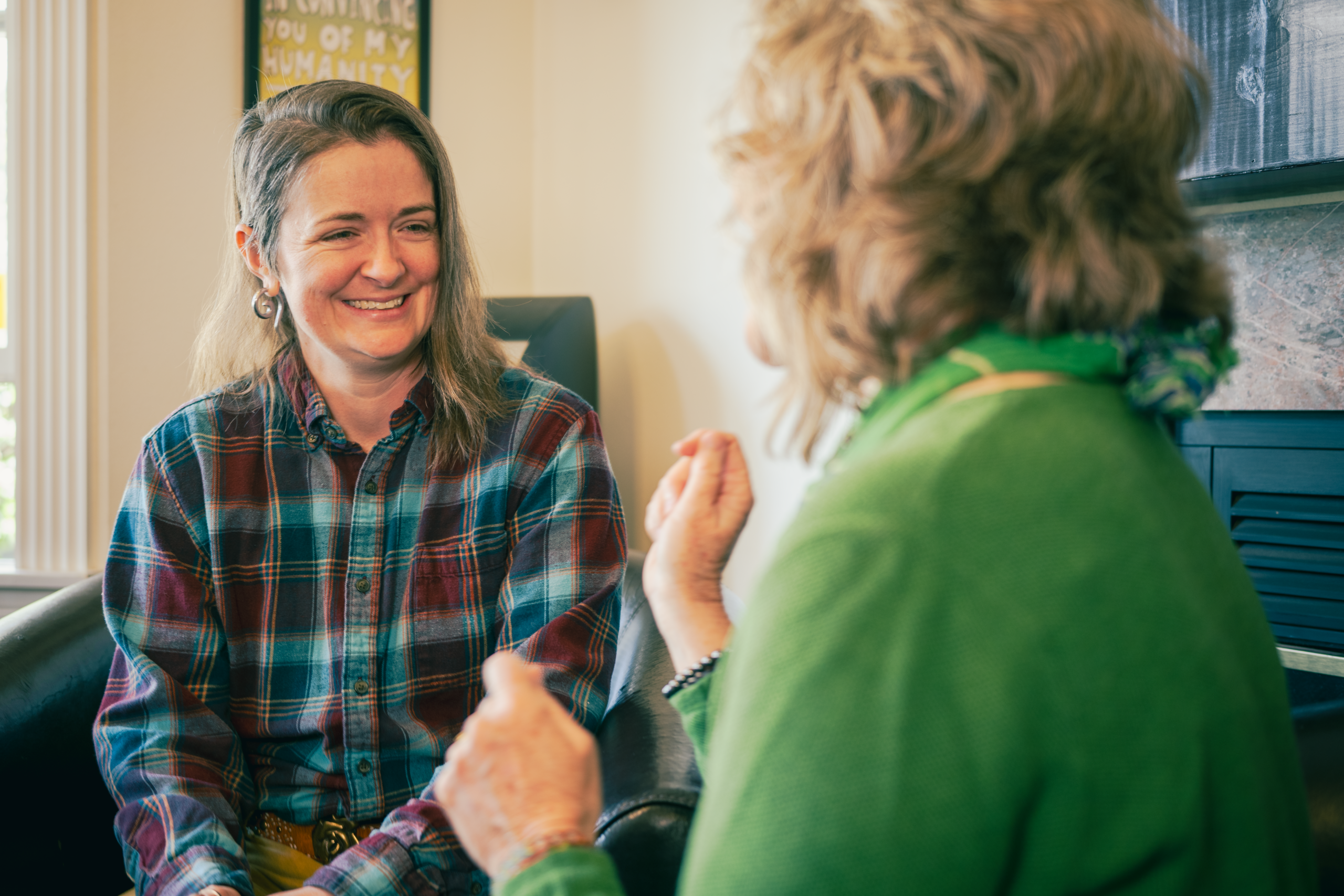
Clarity

Change is disorienting – especially when there’s grief, pressure, or competing demands involved. We begin by slowing things down enough to hear your own thinking and wisdom again.

In the clarity phase, we:

  • Explore your current situation and the forces shaping it
  • Notice patterns, beliefs, and points of friction
  • Clarify what you truly want – and what you don’t
  • Name goals that are realistic, meaningful, and aligned with who you are

This stage restores perspective and reduces internal noise, so decisions come from intention rather than urgency or pressure.
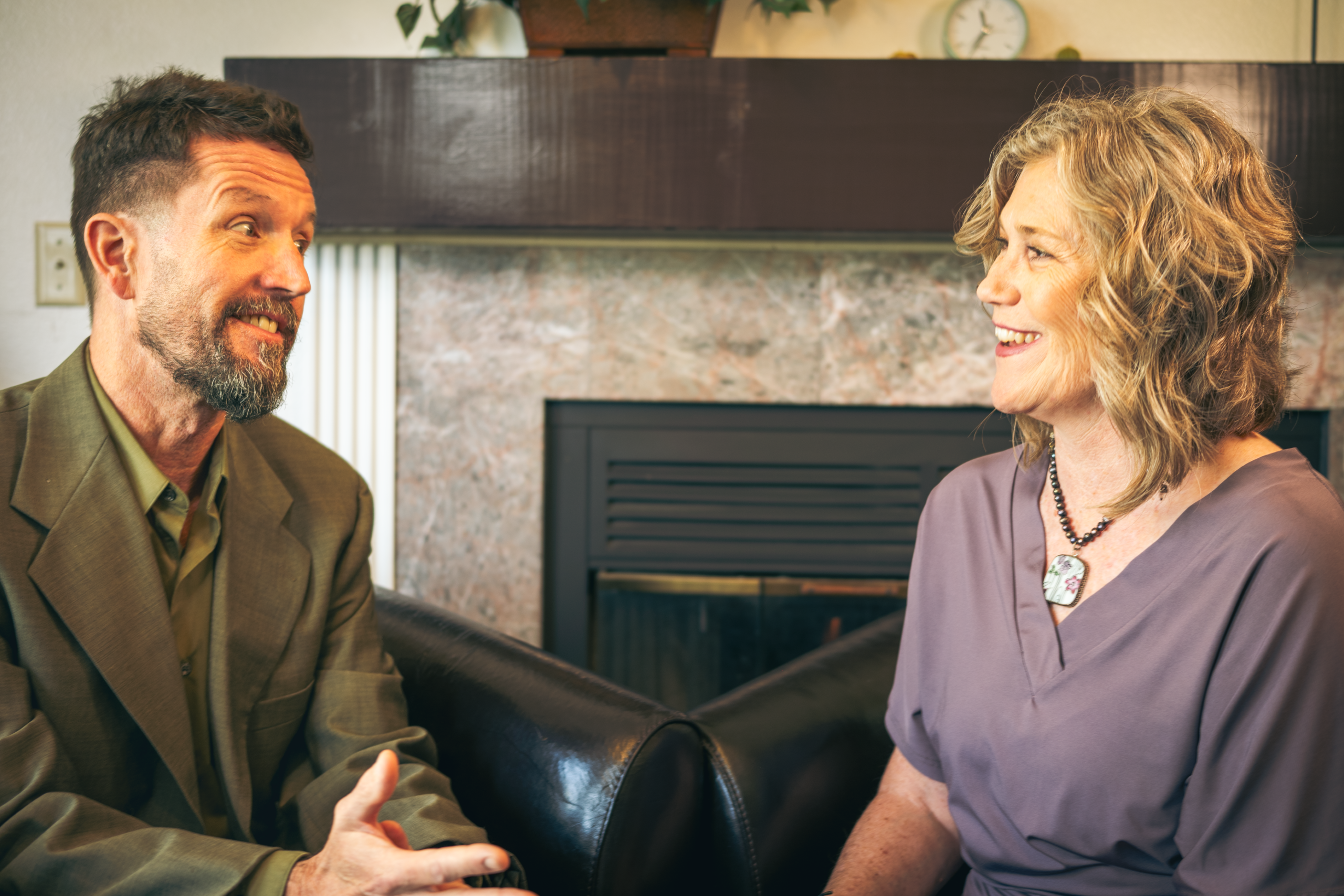
Strategy

Once there’s clarity, we turn toward thoughtful, grounded strategy – not from force, but from choice.

In the strategy phase, we:

  • Map next steps in a way that honors your capacity, values, and real life
  • Build internal and external resources to support change
  • Work with both practical planning and emotional resilience
  • Use tools such as EFT and other somatic or grounding techniques when helpful
  • Identify where support, boundaries, or recalibration are needed

Strategy isn’t about pushing harder. It’s about creating structures and supports that make forward movement feel possible and sustainable.

Action

Insight matters – but change happens through consistent, chosen action.

In the action phase, we:

  • Experiment with new behaviors and choices
  • Move toward specific goals at a realistic pace
  • Notice what’s working, what’s not, and what you’re learning
  • Return to clarity and strategy as needed, adjusting as you grow

Action is iterative. You are not expected to get everything “right” – you are building awareness, confidence, and momentum over time.